The Rise of AI
Published: June 08, 2024
Artificial Intelligence (AI) is no longer a futuristic concept confined to science fiction novels or Hollywood blockbusters. It has become an integral part of our daily lives, revolutionizing industries, shaping economies, and redefining the way we perceive technology. The rise of AI marks a significant milestone in human history, one that holds both promise and challenges for the future.
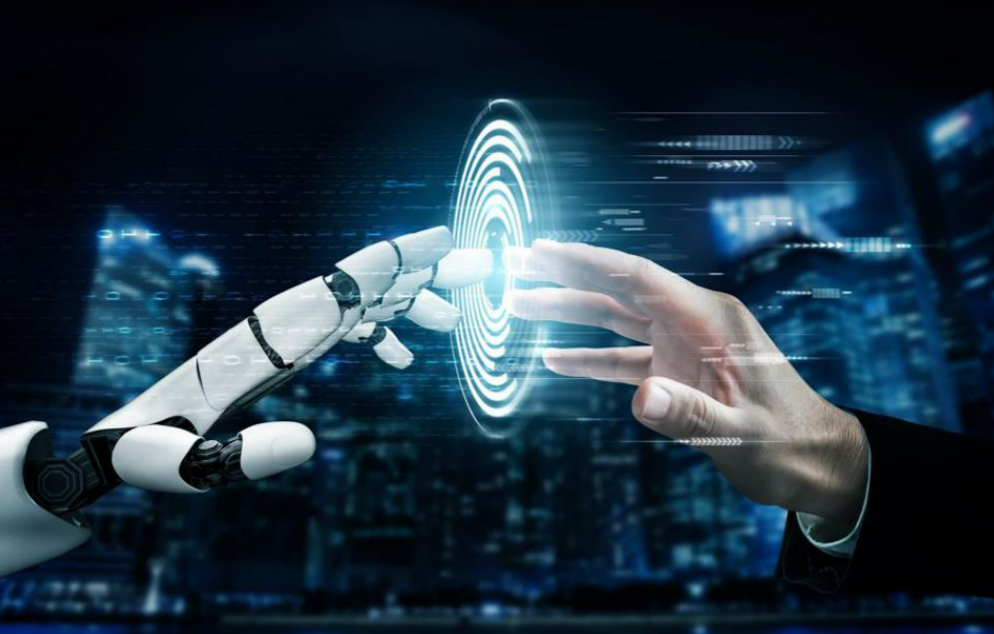
At its core, AI refers to the simulation of human intelligence processes by machines, particularly computer systems. This includes learning, reasoning, problem-solving, perception, and language understanding. What sets AI apart from traditional software is its ability to adapt and improve over time without explicit programming, thanks to techniques like machine learning and deep learning.
Automation and Efficiency
One of the most prominent areas where AI has made a profound impact is in automation. From manufacturing to customer service, AI-powered systems have streamlined processes, increased efficiency, and reduced costs for businesses. Tasks that were once time-consuming and labor-intensive can now be performed swiftly and accurately by machines, freeing up human resources for more complex and creative endeavors.
Healthcare Revolution
The healthcare industry has also witnessed significant advancements due to AI. From diagnosing diseases to personalizing treatment plans, AI algorithms analyze vast amounts of data to provide insights that were previously inaccessible. Medical professionals can now make more informed decisions, leading to better patient outcomes and improved quality of care.
Financial Transformation
In finance, AI is transforming how transactions are conducted, risks are assessed, and investments are managed. Trading algorithms can analyze market trends and execute trades in milliseconds, far surpassing human capabilities. Fraud detection systems powered by AI can identify suspicious activities and prevent financial crimes more effectively than ever before.
Education and Learning
Education is another field experiencing the impact of AI. Personalized learning platforms use AI algorithms to adapt to students' individual needs and learning styles, providing tailored instruction and feedback. Virtual tutors and educational chatbots offer support and assistance to learners anytime, anywhere, democratizing access to quality education.
Challenges and Considerations
However, the rise of AI also raises ethical, social, and economic concerns. The potential for job displacement as AI takes over routine tasks is a pressing issue that policymakers, businesses, and society at large must address. Additionally, questions about data privacy, algorithmic bias, and the misuse of AI for surveillance or malicious purposes underscore the need for responsible AI development and regulation.
Moving Forward
As AI continues to advance, it is essential to foster collaboration between technologists, policymakers, ethicists, and society as a whole. By harnessing the power of AI responsibly and ethically, we can leverage its transformative potential to create a more inclusive, equitable, and sustainable future for all.
In conclusion, the rise of AI represents a paradigm shift in how we interact with technology and how society operates. While it presents unprecedented opportunities for innovation and progress, it also poses challenges that require careful consideration and proactive solutions. By embracing AI with caution and foresight, we can navigate this new era of technological advancement and shape a brighter tomorrow for generations to come.
This was written by ChatGPT